‘Brought to You by Worker Exploitation’: How Activists Hijacked the Bezos Met Gala
NEW YORK — The opulent red carpet of the 2026 Met Gala was overshadowed before a single designer gown swept across it. As Jeff Bezos took on the roles of honorary chair and lead sponsor of fashion’s most exclusive night, an organized wave of activist protests turned the event into a national referendum on billionaire power, Amazon’s labor record, and the ties between wealth and politics.
Across Manhattan, from subway stations to the side of the Metropolitan Museum of Art itself, a series of brazen, provocative messages made certain that the Amazon founder’s name would be inextricably linked not just to haute couture, but to worker exploitation.
A Campaign That Could Not Be Ignored
Days before the gala, posters began appearing throughout New York City bearing the sarcastic slogan: “The Bezos Met Gala: Brought to you by worker exploitation.” The campaign, spearheaded by the advocacy group Everyone Hates Elon, was designed to drag the harsh realities of Amazon’s warehouses out of the news cycle’s shadows and into the glittering ballroom. Another blunt call accompanied the posters: “Boycott the Bezos Met Gala.”
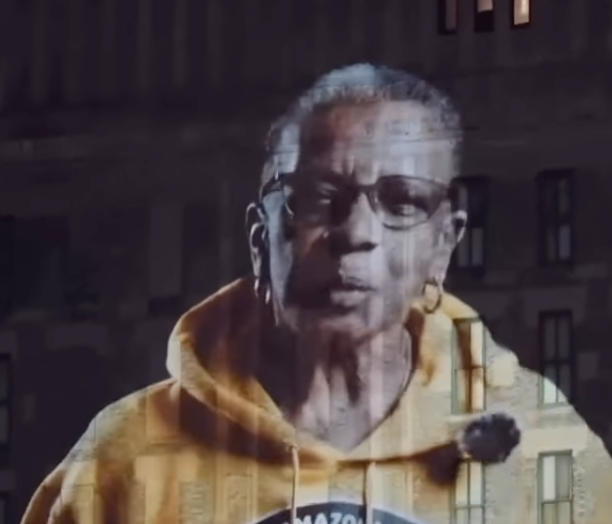
The messages refused to let passersby or arriving celebrities forget the accusations that have dogged Amazon for years. Activists projected video testimonies from warehouse employees and delivery drivers onto some of the city’s most iconic landmarks — the Empire State Building, the Chrysler Building, and, in a direct address to the host, Bezos’s own penthouse. The footage featured workers recounting grueling quotas, inadequate breaks, and injuries they say are endemic to the company’s quest for speed.
Inside the museum itself, demonstrators staged a grotesque yet headline-grabbing stunt: they hid over 300 bottles of fake urine inside the venue. The action was a visceral reference to reports that Amazon employees have, at times, been forced to urinate in bottles because they could not take sufficient time away from their stations. A mock “VIP toilet” was also installed outside, a grim joke aimed at the contrast between the comfort of the gala’s attendees and the bodily realities of the company’s workforce.
Connecting Wealth to ICE and Tax Avoidance
The activists’ critique extended well beyond working conditions. A second series of street posters and digital projections declared that the gala was “Brought to you by the firm that powers ICE.”This message highlighted Amazon Web Services’ lucrative contracts with U.S. Immigration and Customs Enforcement, which protesters argue directly support deportation infrastructure.
Economic inequality formed another core theme. A widely shared slogan read, “If You Can Buy the Met Gala, You Can Pay More Taxes.” The simple line recast the gala’s extravagant tablescapes — reportedly funded in part by Bezos’s multi-million-dollar sponsorship — as evidence that the billionaire’s tax contribution is laughably disproportionate to his staggering wealth.
The Trump Connection and Celebrity Fallout
As the evening approached, the protest’s political dimension sharpened. In large-scale projections on the eve of the gala, a message thundered: “No red carpet for Trump’s billionaires.” Activists explicitly linked Bezos’s role to his perceived alignment with former President Donald Trump, pointing to a reportedly massive deal for a Melania Trump documentary and to what they describe as a broader alignment with an administration hostile to workers’ rights.
The campaign appears to have had an effect on the guest list. Several A-list figures, including Zendaya and Meryl Streep, opted to skip the event. While their representatives cited other obligations, the timing highlighted the reputational risk now attached to associating with Amazon’s brand. Michaela Kennedy Cuomo was more explicit, publicly stating she would not attend.
A Counter-Event for Workers
Not content solely with protest, labor-aligned groups organized an alternative spectacle: the “Ball Without Billionaires.” Billed as a worker-led fashion show, the event showcased clothing from ethical designers and placed warehouse employees, drivers, and garment workers on the runway instead of celebrities. Organizers said the goal was to reclaim the Met’s own “Fashion is Art” theme, arguing that the hands that stitch and ship clothing are as integral to the art as the designer’s vision or the wearer’s fame.
By the time the first limousine pulled up to the museum’s steps, the activist takeover was complete. The 2026 Met Gala will be remembered not for its gowns, but as the night a constellation of protest messages successfully reframed a celebration of beauty into a stark, unavoidable conversation about the human cost of the fortune that paid for it.