Spouse on Title but Not on Mortgage: Rights & Risks
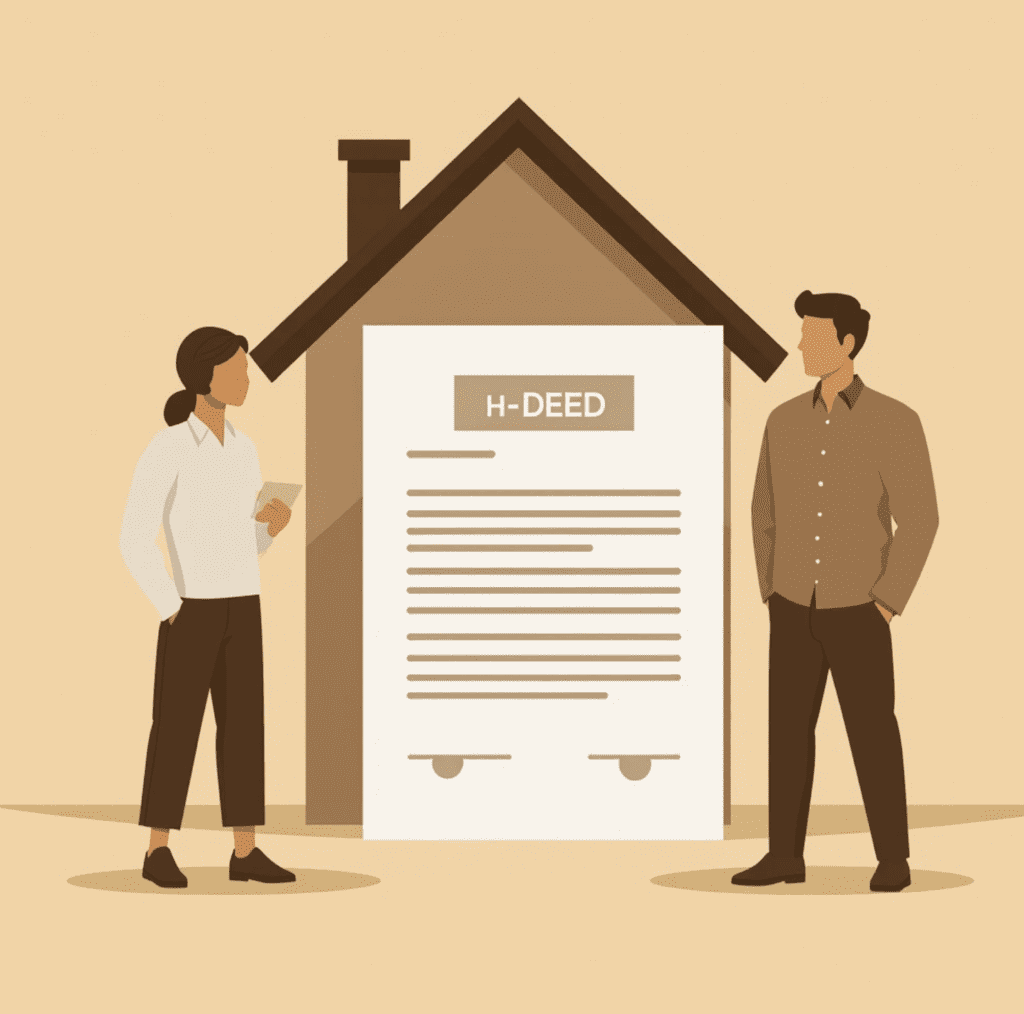
When married couples purchase a home, it’s common to encounter situations where one spouse is listed on the property title (deed) but not on the mortgage. This arrangement separates legal ownership from financial liability for the loan, creating both opportunities and potential risks.
This detailed guide examines the implications in depth, including ownership rights, responsibilities, divorce, death, foreclosure, selling, state-specific rules (e.g., Florida), Canadian variations, and real-world experiences. It explains why couples choose this setup, how to manage it, and the legal nuances that can affect you in life-changing events. Laws vary by jurisdiction, so always consult a local real estate attorney or financial advisor for advice specific to your situation.
What Does It Mean to Be on Title but Not on Mortgage?
Being on the title (also called the deed or title deed) means you are a legal owner of the property. The deed is the official document recorded with the county or state that proves ownership and grants rights such as the ability to live in the home, use it, rent it out, or pass it to heirs. Ownership interest can be full (sole ownership), joint tenancy with right of survivorship, tenancy in common, or tenancy by the entirety (in some states for married couples).
Being on the mortgage, however, means you are personally liable for repaying the loan. The mortgage is a contract with the lender that uses the property as collateral. If payments are missed, the lender can pursue the borrower(s) for the debt, and ultimately foreclose on the property.
When a spouse is on the title but not on the mortgage:
They have full legal ownership rights (or partial, depending on how title is held).
They are not personally responsible for the mortgage debt—the lender cannot sue them or take their other assets for missed payments.
The property remains collateral for the loan, so foreclosure can still affect their ownership interest.
This is a common and legal arrangement, especially when one spouse has better credit, higher income, or lower debt-to-income ratio to qualify for the loan alone.
You can have only one spouse on the mortgage but both on title — this is a standard practice in many marriages. The non-borrowing spouse can sign the deed to take ownership without signing the mortgage note. However, lenders often require the non-borrowing spouse to sign certain documents, such as:
A quitclaim deed (to waive rights in default scenarios in some cases).
A consent to mortgage or subordination agreement.
An affidavit acknowledging the mortgage terms.
In contrast, being on the mortgage but not on the title is rare and risky: you are legally responsible for the debt but have no ownership rights or equity claim.
This distinction is critical because:
Title = ownership and equity rights.
Mortgage = debt obligation and personal liability.
Understanding this separation helps protect both parties’ interests, especially in community property states (e.g., California, Texas, Arizona) where assets acquired during marriage are presumed shared, even if only one name is on the loan.
Reasons for Having a Spouse on Title but Not on Mortgage
Couples choose this arrangement for strategic, financial, and legal reasons. Here are the most common motivations in detail:
Credit or Income Disparities: If one spouse has poor credit, high debt-to-income ratio, recent bankruptcies, or lower income, excluding them from the mortgage can improve loan approval odds and secure lower interest rates. Lenders look only at the borrowing spouse’s credit and finances, so the non-borrowing spouse’s credit issues do not affect qualification. This is especially useful in high-cost housing markets where maximizing loan amount or minimizing rates is crucial.
Asset Protection: In community property states, adding a spouse to the title ensures they have ownership rights without assuming debt liability. This protects the non-borrowing spouse from the lender in case of default while still granting them equity and inheritance rights. In separate property states, it can shield the property from one spouse’s individual creditors or legal judgments.
Estate Planning and Inheritance: Joint title (especially tenancy by the entirety in many states or joint tenancy with right of survivorship) allows automatic transfer of ownership to the surviving spouse upon death, bypassing probate. The non-borrowing spouse inherits the home without needing to assume the mortgage immediately (though they may need to refinance to keep it). This simplifies estate planning and avoids forced sale.
Tax Benefits Both spouses on title may qualify for mortgage interest deductions, capital gains exclusions on sale (up to $500,000 for married couples filing jointly), or homestead exemptions in some states. The non-borrowing spouse can still benefit from these tax advantages even without mortgage liability.
Other Strategic Reasons
One spouse wants to keep separate finances or protect assets from business risks.
The borrowing spouse has a stronger credit profile or wants to maintain sole control of the loan.
Couples in second marriages or with blended families use this to protect separate property.
Single spouse on mortgage or only one spouse on the mortgage is legal and common, but it requires careful planning to avoid future disputes, especially in divorce or death scenarios.
What are my rights if my name is on a deed but not the mortgage?
If your name is on the deed (title), you are a legal co-owner of the property, regardless of the mortgage. Your rights include:
The right to live in, use, and occupy the home.
The right to a share of any equity (value minus mortgage balance) if the property is sold.
The right to participate in decisions about selling, renting, or encumbering the property (subject to co-owner agreement).
The right to inherit or pass on your share (depending on how title is held—e.g., joint tenancy passes automatically to the survivor).
Protection from the lender pursuing you personally for mortgage debt.
However, you are still responsible for:
Property taxes, homeowners insurance, HOA fees, and maintenance (shared with co-owners).
Any liens or judgments placed on the property.
If you are on the mortgage but not on the title: You are personally liable for the entire loan amount. The lender can sue you for missed payments and damage your credit, even though you have no ownership rights or equity. This is a highly disadvantageous position and should be avoided.
Common Scenarios and Implications in Detail
In Divorce (Name on Deed but Not on Mortgage Divorce)
In divorce, the title (deed) determines ownership and division of the property, while the mortgage determines who is responsible for the debt.
The spouse on title but not on mortgage has ownership rights and may claim a share of equity (value minus mortgage balance), depending on state laws (equitable distribution or community property).
The borrowing spouse remains solely liable for the mortgage payments and any deficiency judgment if the home is sold for less than the loan balance.
Courts may order the borrowing spouse to refinance the mortgage in their name alone to remove the non-borrowing spouse from liability (if possible), or order the sale of the property to divide proceeds.
If the non-borrowing spouse refuses to sign a quitclaim deed to transfer title, the court can force it or order a partition sale.
In Florida (spouse on title but not on mortgage Florida), courts use equitable distribution, considering contributions and needs; the non-borrowing spouse on title can claim equity even without mortgage liability.
In Case of Death (Name on Deed but Not on Mortgage Death)
If the borrowing spouse dies, the non-borrowing spouse on title inherits their share (automatic transfer in joint tenancy or tenancy by the entirety).
The surviving spouse is not personally liable for the mortgage debt, but the lender can still foreclose if payments stop (due-on-sale clause may be triggered by death in some loans).
To keep the home, the survivor must continue payments, refinance in their name, or sell.
If the non-borrowing spouse dies, their share passes to heirs (unless joint tenancy), but the mortgage debt remains with the surviving borrower.
Name on deed, but not on mortgage death one spouse dies on mortgage: The surviving owner can stay, but must address the loan.
In Foreclosure (Name on Deed but Not Mortgage Foreclosure)
If the borrower defaults, the lender can foreclose on the entire property, regardless of who is on title.
The non-borrowing spouse on title is not personally liable for the debt and won’t face deficiency judgments, but they lose ownership of the home.
Spouse on title but not on mortgage does not protect against foreclosure; the property is collateral.
Can you sell a house if you are on the deed but not the mortgage?
Yes, but all title holders must agree and sign the sale documents. The mortgage must be paid off at closing (usually from proceeds). The non-borrowing spouse shares in the equity (after paying off the loan) but is not involved in loan payoff logistics. If the borrower refuses to sell, the non-borrowing spouse may seek a partition action to force a sale.
State-Specific Considerations
Florida is an equitable distribution state (not community property). In divorce, courts divide assets fairly, considering contributions, needs, and duration of marriage. Non-borrowing spouses on title have ownership rights and can claim equity, even without mortgage liability. For death, joint title with right of survivorship allows automatic transfer. Florida law also protects homestead property from forced sale in many cases.
In Canada, rules vary by province. Many provinces recognize matrimonial home rights, meaning both spouses may have rights to the home even if only one is on title or mortgage. Non-borrowing spouses on title have ownership but no loan obligation; however, family law may grant rights in divorce or separation. Lenders often require both spouses to sign mortgage documents in matrimonial homes.
Pros and Cons of This Arrangement
Pros:
Better loan terms (lower rates, higher approval odds) for the borrowing spouse with stronger credit.
Asset protection for the non-borrowing spouse (ownership without debt liability).
Easier estate planning (automatic transfer via joint title).
Potential tax benefits (mortgage interest deduction, capital gains exclusion).
Cons:
Foreclosure risk affects all owners; non-borrowing spouse can lose the home without debt liability.
Complications in divorce (refinance or sale often required).
Death scenarios may trigger due-on-sale clauses or require refinance.
Imbalance of power (borrowing spouse controls loan, non-borrowing controls title).
How to Handle Changes or Add/Remove a Spouse
To add a spouse to title (not mortgage):
Use a quitclaim deed to transfer interest (simple, low-cost, but no warranty of title).
Record the deed with the county recorder.
Mortgage remains unchanged.
To add a spouse to mortgage:
Refinance the loan in both names (new credit check, new terms).
To remove a spouse from title:
Quitclaim deed transfers interest back.
If on mortgage, refinance to remove liability.
Spouse not on title:
They have no ownership rights, even in community property states—add via deed if desired.
Conclusion
Having a spouse on title but not on mortgage offers strategic advantages—better loan terms, asset protection, and estate planning benefits—but it also introduces risks in divorce, death, foreclosure, and selling. Whether in Florida with its equitable distribution rules or Canada with matrimonial home protections, understanding ownership (title) versus liability (mortgage) is essential.
You can have only one spouse on the mortgage but both on title, but this separation requires careful planning. Consult a real estate attorney or financial advisor early to avoid pitfalls, especially in high-stakes scenarios like name on deed but not on mortgage divorce or name on deed but not mortgage foreclosure. With proper legal guidance, this arrangement can protect both partners’ interests and ensure your home remains a secure foundation for your future.