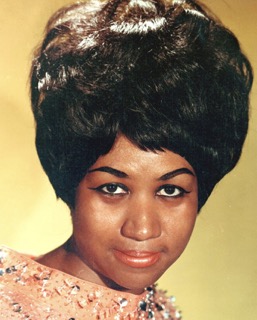
Aretha Franklin, often celebrated as the Queen of Soul, left an indelible mark on music with her powerful voice and timeless songs. Born in 1942 in Memphis, Tennessee, she grew up in a world filled with gospel influences from her father’s church in Detroit. Her career took off in the 1960s, bringing hits like “Respect” and “(You Make Me Feel Like) A Natural Woman” to audiences everywhere. Yet, behind the spotlight, her personal life was a tapestry of joys, challenges, and deep family ties.
Marriages and relationships played key roles in shaping her journey, offering both support and trials during her rise to fame. This article explores those connections, drawing on accounts from her life story to highlight how they intertwined with her legacy. As recent family matters, such as estate decisions in 2023 and 2024, continue to reflect her enduring influence, her story reminds us of the human side of a musical icon.
Who Was Aretha Franklin’s Husband?
Aretha Franklin was married twice during her life, first to Ted White from 1961 to 1969, and later to Glynn Turman from 1978 to 1984. These unions, along with other close relationships, were often discussed in biographies and family recollections as pivotal moments that influenced her path. While details were kept somewhat private, it has been noted that her first marriage began when she was young and full of ambition, tying into her early career moves. The second brought a sense of companionship during a time of professional highs.
Beyond formal marriages, she shared meaningful bonds with partners like Ken Cunningham, her road manager in the late 1960s and early 1970s, and a long-term companion, Willie Wilkerson, who remained a steady presence until her passing in 2018. These relationships were described by those close to her as sources of both inspiration and reflection, echoing themes in her songs about love and resilience.
Family members have shared that such connections helped her navigate the demands of stardom, even as they came with their own complexities. In recent years, as of 2024, discussions around her estate have brought renewed attention to how she provided for her loved ones, underscoring the lasting impact of these personal chapters.
The Early Years and First Marriage
Aretha Franklin’s path to marriage began in her teenage years, a time when she was already stepping into the music world. Raised in Detroit after her family moved from the South, she was immersed in the vibrant gospel scene at her father’s New Bethel Baptist Church. By her mid-teens, she had started performing professionally, blending spiritual roots with emerging soul sounds.
It was during this period of transition that she met Ted White, a figure involved in Detroit’s entertainment circles. Introduced through mutual connections in the local music scene, their relationship developed quickly, leading to a wedding in 1961 when Aretha was just 19. The ceremony was simple, held while they were on the road, reflecting the fast pace of her budding career.
Ted White, born in 1931, was known for his entrepreneurial spirit in the city, dabbling in promotions and business ventures that caught the eye of young artists. He became not only Aretha’s partner but also her manager, helping guide her shift from gospel to secular music. Under his influence, she signed with Columbia Records and began recording albums that showcased her versatile voice. Collaborations between them resulted in co-written tracks that appeared on her early releases, adding a personal touch to her work.
Family and friends observed that this partnership brought a sense of focus to her ambitions, allowing her to concentrate on touring and studio sessions. Yet, it has been recounted that the demands of the road and differing expectations created strains over time. Public glimpses, like joint appearances at events, painted a picture of unity, but private accounts suggest tensions arose from the pressures of fame and management roles overlapping with home life.
Their union produced a son, Teddy White Jr., born in 1964. Teddy grew up surrounded by music, eventually playing guitar in his mother’s band and pursuing his own path as a singer-songwriter under the name Teddy Richards. Stories from those days highlight how Aretha balanced motherhood with her rising stardom, often relying on family support to care for her children during travels.
As the 1960s progressed, Aretha’s career exploded with hits under Atlantic Records, including the transformative “Respect,” which became an anthem for empowerment. Some observers linked the emotional depth in these songs to real-life experiences, though Aretha herself rarely elaborated, preferring to let her music speak.
By the late 1960s, after about eight years together, the couple separated in 1968, with the divorce finalized the following year. Those close to the family noted that the split allowed Aretha to reclaim more control over her professional direction, as her brother Cecil stepped in as manager. Reflections from biographies describe this chapter as one of growth, where challenges in the relationship fueled her artistic evolution.
Ted White passed away in 2020, and accounts from that time remembered him as a key early figure in her story, whose influence lingered in her foundational years. Today, with Teddy continuing to honor his mother’s legacy through music, this period remains a cornerstone of understanding her multifaceted life.
A New Chapter: The Second Marriage
After her first marriage ended, Aretha Franklin entered a phase of artistic triumph and personal rediscovery. The 1970s saw her releasing acclaimed albums like Young, Gifted and Black and Amazing Grace, solidifying her status as a cultural force. It was amid this success that she crossed paths with Glynn Turman in 1977 at a charity event in Los Angeles. Turman, an accomplished actor known for roles in stage and screen productions, had built a reputation for his talent and charm.
Their meeting, facilitated by one of Aretha’s sons who was a fan of Turman’s work, sparked an immediate connection. What followed was a courtship filled with shared interests in the arts, leading to an engagement and a wedding on April 11, 1978, at her father’s church in Detroit.
The ceremony was a grand affair, contrasting the simplicity of her earlier nuptials, and was attended by a host of entertainment figures. Aretha became stepmother to Turman’s three children from a previous marriage, blending their families into a lively household. Turman, born in 1947, brought a grounded perspective to their life together, often described by acquaintances as a supportive partner who appreciated her creative spirit.
They divided time between California and Michigan, navigating the challenges of dual careers—hers in music tours and recordings, his in film and television projects. Joint public moments, such as attending awards shows or family outings, were captured in photos that conveyed warmth and mutual respect. Family lore suggests this union provided a stabilizing force during a decade marked by both accolades and personal losses, including the shooting of her father in 1979, which left him in a coma until 1984.
Together, they explored collaborative opportunities, with Turman occasionally appearing in her circle of performers. Their six-year marriage was seen by many as a harmonious blend of Hollywood glamour and soulful authenticity, echoing the themes of partnership in Aretha’s ballads. However, the pull of professional commitments across coasts led to a separation in 1982, and the divorce was official by 1984.
Despite the end, positive recollections persisted; Turman has spoken fondly of their time, calling it a period of deep affection and shared adventures. He remained a friend, visiting her in her final days in 2018, where moments of quiet connection brought closure. Glynn Turman continues his career, earning an Emmy in 2024 for his role in The Wire, a testament to his enduring talent. This chapter in Aretha’s life is often remembered as one of renewal, where love offered respite amid her relentless pursuit of excellence.
Other Significant Relationships
Beyond her marriages, Aretha Franklin’s personal world included bonds that shaped her family and inspired her craft. In the late 1960s, following her separation from Ted White, she began a relationship with Ken Cunningham, who served as her road manager. This partnership, lasting into the early 1970s, was credited by those around her with providing practical guidance during intense touring schedules.
Cunningham, a steady presence in her professional circle, shared a son with Aretha in 1970—Kecalf Cunningham, whose name cleverly combined their initials. Kecalf pursued music as a rapper, carrying forward the family’s artistic thread. Accounts from biographies suggest this time helped Aretha regain balance, encouraging healthier habits and creative focus after earlier turbulence.
Another enduring figure was Willie Wilkerson, a Detroit native and actor who became her companion in the 1980s. Their connection, spanning decades until her death, was marked by quiet loyalty rather than public fanfare. Wilkerson was often described as her “forever friend,” offering emotional support through career peaks and health challenges. He attended events by her side and was a constant in her later years, embodying the comfort of long-term companionship.
These relationships, woven into her narrative, highlighted Aretha’s capacity for deep attachments that fueled her resilience. They also influenced her music subtly, with songs exploring love’s nuances reflecting lived experiences. Family members have noted how such partners contributed to a supportive network, allowing her to prioritize her children and craft.
Family Legacy and Recent Developments
At the heart of Aretha Franklin’s story was her role as a mother to four sons: Clarence, born in 1955; Edward, in 1957; Teddy, in 1964; and Kecalf, in 1970. Each arrived during different phases of her life, with her early motherhood drawing on the strength of her grandmother and sisters for care while she toured. Clarence and Edward’s father was a local figure from her youth, Donald Burke, while Teddy and Kecalf came from her marriages and partnerships.
The boys grew up amid the whirlwind of her fame, often joining her on stage or in studios, absorbing the rhythms of show business. Today, they carry her spirit forward—Teddy through guitar performances, Kecalf via rap, and Edward in advocacy work. Clarence, who has special needs, receives ongoing estate support as per her wishes.
Her family extended to grandchildren, particularly through Kecalf, who have become active in preserving her memory. Recent years have seen the sons navigating her legacy amid estate matters. In 2023, a jury validated a 2014 handwritten document found in her home, prioritizing it over an earlier one and awarding properties like her Bloomfield Hills residence to Kecalf and his children. By late 2024, further rulings distributed homes and proceeds, resolving disputes and ensuring financial stability.
These decisions, valued in millions including royalties, reflect Aretha’s intent to provide for her loved ones. As of 2025, the estate generates income from music rights, funding scholarships and tributes in her name. Such updates underscore how her personal ties continue to echo, with family gatherings and projects honoring her gospel roots and soulful innovation.
The Influence on Her Music and Public Image
Aretha Franklin’s relationships often mirrored the emotional landscapes of her songs, blending vulnerability with unyielding strength. Tracks like “I Never Loved a Man (The Way I Love You)” captured the complexities of devotion, drawing from real entanglements without direct confession. Her husbands and partners appeared in subtle ways—co-writes with Ted White on early hits, or the supportive vibe in later duets influenced by Glynn Turman’s world.
Biographers have suggested that these experiences honed her ability to convey raw feeling, turning personal trials into universal anthems. Publicly, she maintained a poised image, focusing interviews on her art rather than private matters, which only amplified her mystique.
This discretion extended to her family portrayals, where she celebrated her sons’ talents while shielding them from scrutiny. Her image as a trailblazer—first woman inducted into the Rock & Roll Hall of Fame in 1987—owed much to this balance, allowing her voice to dominate narratives.
In tributes post-2018, like the 2021 biopic Respect, these elements were explored tastefully, emphasizing empowerment over sensationalism. Recent family-led initiatives, such as 2024 concerts featuring her grandchildren, keep this legacy alive, showing how love and kinship fueled her enduring appeal.
Conclusion
Aretha Franklin’s life, rich with marital chapters and familial bonds, painted a portrait of a woman who triumphed through adversity. From her youthful union with Ted White, which launched her into stardom, to the affectionate years with Glynn Turman, and the steady supports of Ken Cunningham and Willie Wilkerson, her relationships added depth to her journey. They intersected with motherhood to four sons, creating a legacy that extends to grandchildren and beyond.
As recent estate resolutions in 2023 and 2024 affirm her provisions for them, her story endures as one of resilience and harmony. The Queen of Soul’s music, infused with these human threads, continues to uplift, reminding us that true power lies in vulnerability shared. Her influence, undimmed in 2025, invites reflection on love’s role in shaping greatness.