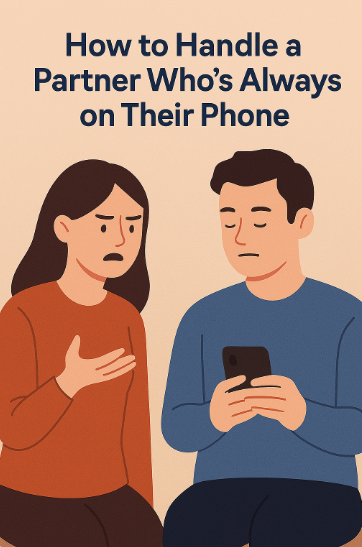
How to Handle a Partner Who’s Always on Their Phone | Tips
Picture this: you’re sitting down for dinner with your partner, excited to catch up after a long day, but their eyes are glued to their phone screen. They’re scrolling, tapping, or typing away, and you’re left feeling like you’re talking to the back of their head. If this sounds familiar, you’re not alone. In today’s world, where smartphones are practically an extension of our hands, many people feel ignored or undervalued when their partner prioritizes their phone over quality time together. It’s frustrating, it hurts, and it can make you feel disconnected from the person you care about most.
The good news? There are ways to address this issue without sparking arguments or damaging your relationship. By approaching the situation with empathy, clear communication, and practical strategies, you can rebuild that emotional connection and help your partner be more present.
This article will guide you through understanding why your partner might be so attached to their phone, how to talk about it without causing a fight, and actionable steps to create a healthier, more connected relationship. Let’s dive in with a friendly, supportive mindset—like we’re chatting over coffee about how to get your partner to put down their phone and focus on you.
Why Is Your Partner Always on Their Phone?
Before jumping into solutions, it’s helpful to understand why your partner might be so attached to their phone. It’s not always about ignoring you or being rude—sometimes, there’s more going on beneath the surface. Smartphones are designed to grab our attention with notifications, likes, and endless content, triggering little bursts of dopamine that keep us coming back for more. For some, the phone becomes a way to cope with stress, boredom, or even anxiety. Maybe your partner is scrolling through social media to unwind after a tough day, checking work emails to stay on top of things, or playing a game to escape for a bit. Understanding these reasons can help you approach the conversation with curiosity instead of frustration.
In 2025, research continues to highlight how phones can affect relationships. A study found that 93% of women and 89% of men reported their partner using their phone at their expense at least once in the past two weeks. This shows how common this issue is, affecting both men and women equally. Sometimes, the phone isn’t just a distraction—it’s a habit or even a crutch for deeper emotional needs. For example, if your partner feels disconnected or bored in the relationship, they might turn to their phone for stimulation. By recognizing these patterns, you can address the root cause rather than just the symptom.
Starting the Conversation: Express Feelings, Not Accusations
One of the biggest pain points is figuring out how to talk to your partner about their phone use without starting an argument. It’s tempting to blurt out, “You’re always on your phone!” but that kind of statement can make your partner feel attacked and defensive. Instead, start with an open and honest conversation that focuses on how you feel, not what they’re doing wrong.
Try using “I” statements to share your emotions. For example, you might say, “I feel a bit lonely when we’re together and you’re on your phone during dinner.” This approach keeps the focus on your experience rather than accusing them of bad behavior. It’s also important to choose the right time to talk—pick a calm moment, like after dinner or during a relaxed weekend morning, rather than when they’re stressed or distracted. A good conversation starter could be, “I’ve noticed we’re both on our phones a lot when we’re together, and I miss having more focused time with you. Can we talk about it?”
Listening is just as important as speaking. Ask your partner why they’re on their phone so much. Maybe they’re dealing with work pressure or feeling anxious and using their phone to cope. Showing genuine curiosity can make them feel safe to open up, which builds trust and sets the stage for working together on solutions.
Setting Healthy Boundaries Together
Once you’ve had an open conversation, the next step is setting boundaries to reduce phone use and create more quality time. The key here is to work as a team, not to make rules that feel controlling. Agreeing on boundaries together makes it more likely that both of you will stick to them.
One effective strategy is to designate screen-free times or zones in your home. For example, you could agree to keep phones out of the dining room during meals or put them away for the first hour after you both get home from work. These moments become sacred spaces for connection, where you can talk, laugh, or just enjoy each other’s company without distractions. Another idea is to set a “no phones before bed” rule, giving you time to wind down together and strengthen your emotional bond.
In 2025, experts suggest using technology to support these boundaries. Many smartphones now have features like app usage limits or “do not disturb” modes that can help you stick to your goals. You and your partner could set up these tools together, making it a shared effort to reduce screen time. The goal isn’t to ban phones completely but to create balance so you both feel valued and present.
Planning Meaningful, Screen-Free Activities
Sometimes, excessive phone use comes from boredom or a lack of engaging alternatives. If your partner is always reaching for their phone, try suggesting activities that naturally pull you both away from screens. The idea is to replace phone time with fun, meaningful moments that make you both feel connected.
Spending time outside is a great way to break the phone habit. Go for a walk in the park, have a picnic, or try a new hiking trail. Leave your phones at home or in a bag to focus on the experience. Other ideas include cooking a new recipe together, playing a board game, or taking a dance class. These activities not only limit phone use but also create shared memories that strengthen your relationship.
For example, one couple I heard about started a weekly “game night” where they played card games or puzzles, and both agreed to keep phones in another room. They found that these nights became their favorite part of the week, filled with laughter and connection. By suggesting an activity you both enjoy, you’re not just asking your partner to stop using their phone—you’re offering something better to fill that time.
Addressing Your Own Phone Habits
Here’s a little tough love: before you point the finger at your partner, take a look at your own phone habits. Are you sometimes guilty of scrolling during conversations or checking notifications when you’re supposed to be spending time together? Acknowledging your own behavior can make the conversation feel less like a lecture and more like a team effort.
Try saying something like, “I know I’m on my phone a lot too, so maybe we can both work on being more present.” This shows you’re willing to make changes too, which can make your partner more open to adjusting their habits. Plus, leading by example—putting your phone down during meals or turning off notifications—sets a positive tone for the relationship.
Recognizing When Phone Use Signals Deeper Issues
Sometimes, a partner’s constant phone use isn’t just about the phone—it’s a sign of something deeper. If your partner is using their phone to avoid tough conversations or escape relationship challenges, it might be worth exploring those underlying issues. For instance, they might feel disconnected or unfulfilled in the relationship, leading them to seek stimulation online. Or they could be dealing with stress or anxiety that makes the phone feel like a safe space.
If you suspect there’s more to the story, approach it gently. You could say, “I’ve noticed you’re on your phone a lot lately, and I’m wondering if something’s been stressing you out. Want to talk about it?” This opens the door to a deeper conversation without making them feel judged. If the issue persists or feels too big to handle alone, consider seeking help from a couples counselor. A professional can help you both identify patterns and build stronger communication skills.
In 2025, relationship experts emphasize that phone use can sometimes mask emotional needs or insecurities. Addressing these root causes—whether it’s stress, boredom, or unmet needs—can lead to lasting changes in how you both connect.
Avoiding Common Pitfalls in Communication
When talking about phone use, it’s easy to fall into traps that make things worse. One big mistake is using absolute terms like “always” or “never,” as in, “You’re always on your phone.” These words can make your partner defensive, since they might argue they’re not always on their phone. Instead, focus on specific moments, like, “I felt disconnected when you were on your phone during our movie night.”
Another pitfall is assuming your partner’s phone use means they don’t care about you. This is called the fundamental attribution error—when you blame their character instead of the situation. For example, you might think, “They’re rude for being on their phone,” while excusing your own phone use as “just checking something important.” Try to give them the benefit of the doubt and ask about their intentions before jumping to conclusions.
Building Trust and Transparency
In some cases, excessive phone use can raise questions about trust, especially if your partner seems secretive or protective of their phone. While it’s natural to feel curious, demanding to check their phone or set strict rules can backfire, making them feel controlled. Instead, focus on building transparency through open communication. For example, you might say, “I feel a bit uneasy when you’re on your phone so much, and I’d love for us to be more open about what’s pulling your attention.”
Some experts in 2025 suggest that couples discuss what’s okay when it comes to phone privacy. For instance, is it fine to glance at each other’s notifications, or do you both value more personal space? Agreeing on these boundaries can prevent misunderstandings and help you both feel secure.
When to Seek Professional Help
If you’ve tried talking, setting boundaries, and planning screen-free time but nothing seems to work, it might be time to get outside help. A couples counselor can offer tools to improve communication and address any deeper issues, like emotional disconnection or phone addiction. Therapy isn’t a sign of failure—it’s a proactive step to strengthen your relationship.
Look for a therapist who specializes in relationships or uses approaches like Emotionally Focused Couples Therapy (EFCT). They can help you both understand why the phone is such a barrier and guide you toward healthier habits. Many counselors now offer online sessions, making it easier to fit into your schedule.
Making It Work: Small Steps, Big Impact
Dealing with a partner who’s always on their phone isn’t about fixing everything overnight. It’s about taking small, consistent steps to rebuild connection and trust. Start with one screen-free evening a week, or try a 10-minute phone-free chat each day. Celebrate the little wins, like when your partner puts their phone down to listen or when you both enjoy a walk without screens.
It’s also important to be patient. Changing habits takes time, and slip-ups are normal. If your partner forgets the no-phone rule, gently remind them with humor or kindness, like, “Hey, let’s pretend our phones are on vacation for a bit!” Keeping the tone light and supportive makes it easier to stay on the same team.
The Bigger Picture: Why Presence Matters
At the heart of this issue is a desire to feel seen, heard, and valued by your partner. When they’re constantly on their phone, it can feel like a barrier between you, blocking the intimacy and connection you crave. But by addressing the issue thoughtfully, you’re not just reducing screen time—you’re showing your partner that your relationship is worth the effort.
In 2025, as phones become even more central to our lives, prioritizing presence is a powerful way to stand out. It’s about choosing each other over notifications, creating moments that matter, and building a relationship where both of you feel truly connected. You deserve that, and so does your partner.
Conclusion
If your partner’s phone use is making you feel ignored or disconnected, know that you have the power to change things. By starting with empathy, communicating your feelings clearly, and working together on practical solutions like screen-free times and fun activities, you can rebuild the closeness you both want. It’s not about blaming or controlling—it’s about creating a relationship where you both feel valued and present.
Take it one step at a time, be patient with each other, and don’t hesitate to seek professional help if you need it. You’ve got this, and I’m rooting for you to rediscover that spark that makes your relationship special.